November 12, 2026
A floor does more than provide a surface to walk on. It affects how a room looks, how easily the space can be maintained, and how well the area stands up to everyday activity. In garages, workshops, commercial settings, and other demanding environments, the right coating can make a meaningful difference. Epoxy flooring is valued for its smooth appearance and durable finish, but achieving a reliable result takes more than applying a product to concrete. Surface conditions, preparation, material selection, and application technique all influence the finished floor.
Hiring an experienced professional helps bring those details together. An expert can assess the existing concrete, recommend an appropriate system, and complete the work with attention to the conditions that affect performance. The result is a floor designed around the space rather than a coating chosen without considering its needs. Here are six reasons to bring in a specialist when planning an epoxy floor.
1. Evaluate the Concrete Before Work Begins
A successful coating project starts with the concrete underneath it. The surface may look solid while hiding cracks, weak areas, moisture concerns, old sealers, or residue that can interfere with adhesion. Applying a coating without identifying these conditions can lead to peeling, bubbling, uneven coverage, or premature wear. A professional knows what to look for and can determine whether repairs or additional preparation are needed before the installation moves forward.
An expert also considers how the concrete is used and what conditions surround it. A garage floor exposed to vehicle traffic has different demands from a workspace where equipment is moved frequently or a commercial area that receives regular cleaning. These details help guide the preparation plan and product choice. With a proper assessment, epoxy flooring can be selected and installed with the actual condition of the slab in mind, reducing the risk of problems that begin below the visible finish.
Moisture deserves attention because vapor moving through concrete can interfere with coating systems. An installer can recommend testing and explain whether the slab needs treatment. This helps ensure the epoxy flooring system suits conditions below it.
2. Prepare the Surface for Strong Adhesion
Preparation is one of the most important parts of a coating installation, even though much of the work becomes invisible once the floor is complete. Concrete may need to be cleaned, mechanically prepared, repaired, and checked for contaminants. Oil, dust, paint, sealers, and other substances can prevent a coating from bonding properly. Simply sweeping or washing the floor may not create the profile required for a dependable installation.
Professional installers use appropriate preparation methods for the condition of the slab and the coating system being applied. They can address cracks and damaged areas, remove materials that interfere with adhesion, and create a consistent surface for the coating. Careful preparation also helps the finished floor look more uniform. Skipping these steps to save time can compromise the entire project, while thorough preparation gives the coating a sound foundation and supports a finish that holds up under regular use. This preparation supports a dependable finished result.
3. Choose Materials That Match the Space
Not every floor has the same purpose, and not every coating system is suited to every environment. The best option depends on factors such as traffic, exposure to chemicals, moisture, cleaning routines, appearance preferences, and the condition of the concrete. A residential garage, production area, retail space, and utility room may each call for different performance characteristics. An experienced contractor can explain the available options and help match the system to the demands of the location.
A specialist can explain how epoxy flooring systems differ in finish, application requirements, and suitability. That conversation helps balance practical needs with design goals. Professional guidance can prevent choosing a product that looks appealing but does not suit the environment.
Material selection also affects the appearance and maintenance expectations of the finished surface. Color, sheen, decorative flakes, and texture can influence the overall look, while the coating's formulation affects how it responds to wear and exposure. According to Intel Market Research, the global epoxy flooring market is expected to expand from $662 million in 2025 to $1,110 million by 2031, reflecting a compound annual growth rate (CAGR) of 9.3% over the forecast period. This market outlook reflects growing interest in coating solutions, but the right choice for an individual property still depends on its specific needs.
4. Apply the Coating With Consistent Technique
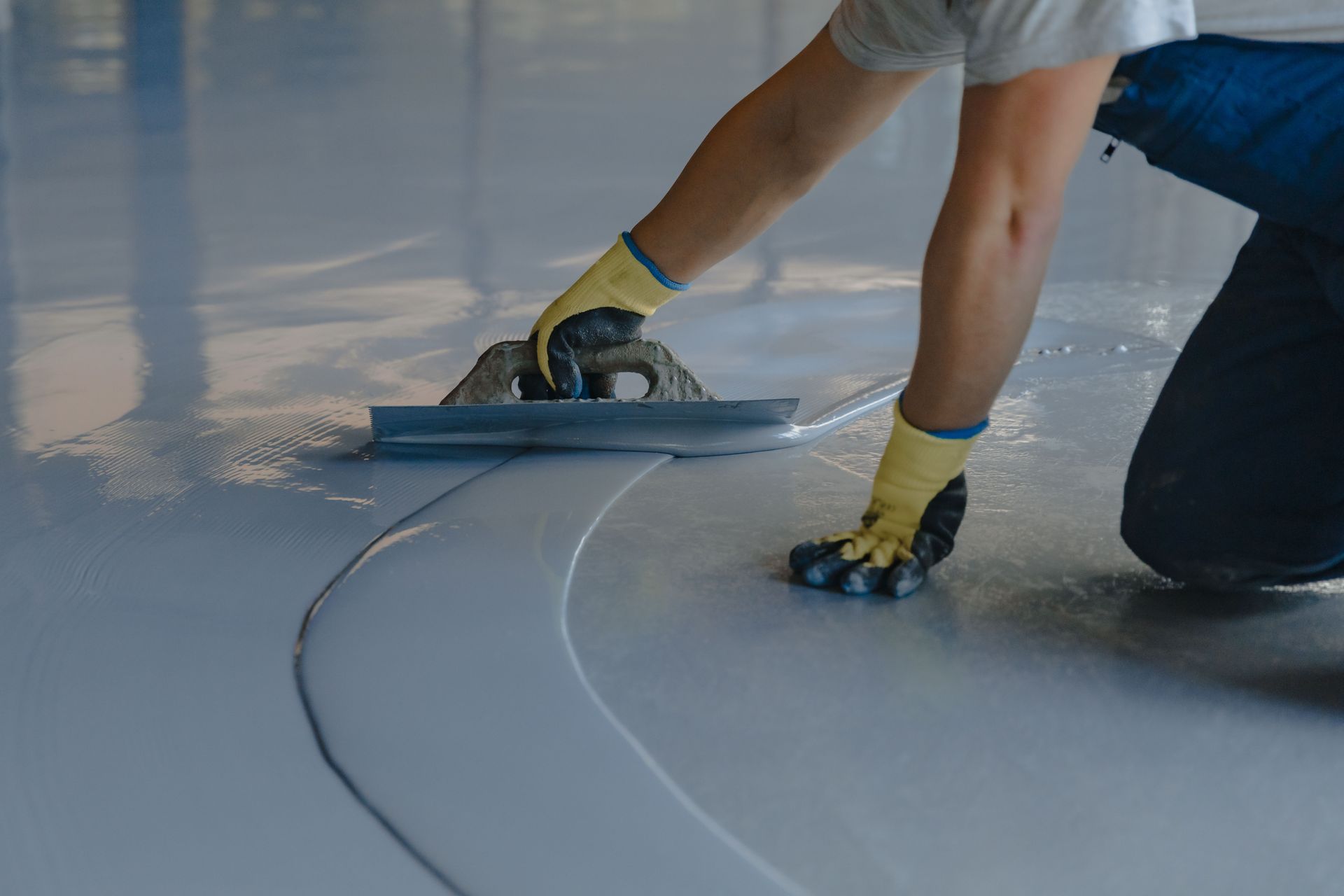
Even suitable materials can produce disappointing results when they are mixed or applied incorrectly. Coating systems have instructions for mixing, working time, application thickness, and recoat intervals. Temperature, humidity, and ventilation can also affect how the material behaves. If the product is spread unevenly, mixed improperly, or applied under unsuitable conditions, the finished surface may show inconsistencies or fail to cure as intended.
A professional installer understands how to manage these variables throughout the job. The contractor can prepare the materials according to the manufacturer's requirements, apply the coating at a consistent rate, and monitor conditions while the work is underway. Experience helps the installer maintain an even finish around edges, corners, transitions, and other challenging areas.
5. Save Time and Avoid Preventable Problems
A do-it-yourself coating project can appear straightforward when viewed as a sequence of product application steps. In practice, the work involves planning, equipment, surface preparation, repairs, careful application, and coordination of curing time. Unexpected conditions can interrupt the process or require additional materials. If a coating fails because of inadequate preparation or an application mistake, removing it and correcting the surface can add significant work and expense.
Hiring a specialist gives the project a clearer process from assessment through completion. Professionals arrive with experience, suitable tools, and a plan for addressing common site conditions. They can explain what needs to happen before the floor is ready for use and help set realistic expectations for access during the project.
6. Get Guidance on Care and Long-Term Performance
A completed floor still needs appropriate care. Cleaning products, maintenance methods, and daily habits can affect the finish over time. Abrasive tools or unsuitable chemicals may dull or damage the surface, while allowing spills and debris to remain can make cleaning more difficult. The right care routine depends on the coating system and the type of activity taking place in the space.
The contractor can explain how long the area should remain clear while epoxy flooring cures. Following instructions protects the surface from footprints, equipment marks, and premature traffic. Planning access helps households and businesses manage the project with fewer interruptions.
A knowledgeable installer can explain how to clean the floor, what products to avoid, and how to respond to spills or marks. The contractor can also discuss practical steps such as using protective pads beneath equipment, avoiding unnecessary dragging, and addressing damage before it spreads. Professional guidance makes it easier to understand the limits of the selected system and maintain its appearance.
Choosing a qualified installer is an important step toward getting a floor that suits the space and performs as expected. Ask about preparation methods, material recommendations, project timing, and the care instructions provided after installation. Review the contractor's experience with similar environments and make sure the proposed work addresses the condition of the existing concrete. For dependable guidance and a professionally finished surface, contact Michael's Painting Service to discuss the project and take the next step toward a floor built for everyday demands.